
When something is true, we’d expect different people, from different traditions, to discover it independently.
When I read “How to make friends with your beautiful monsters” by Tsoknyi Rinpoche, I saw just this. Tsoknyi Rinpoche is a Tibetan meditation master, born in Nepal in 1966 and recognised by the 16th Karmapa as the third in his line. He had been teaching meditation for years to intelligent, able people, and wondering why they weren’t making progress.
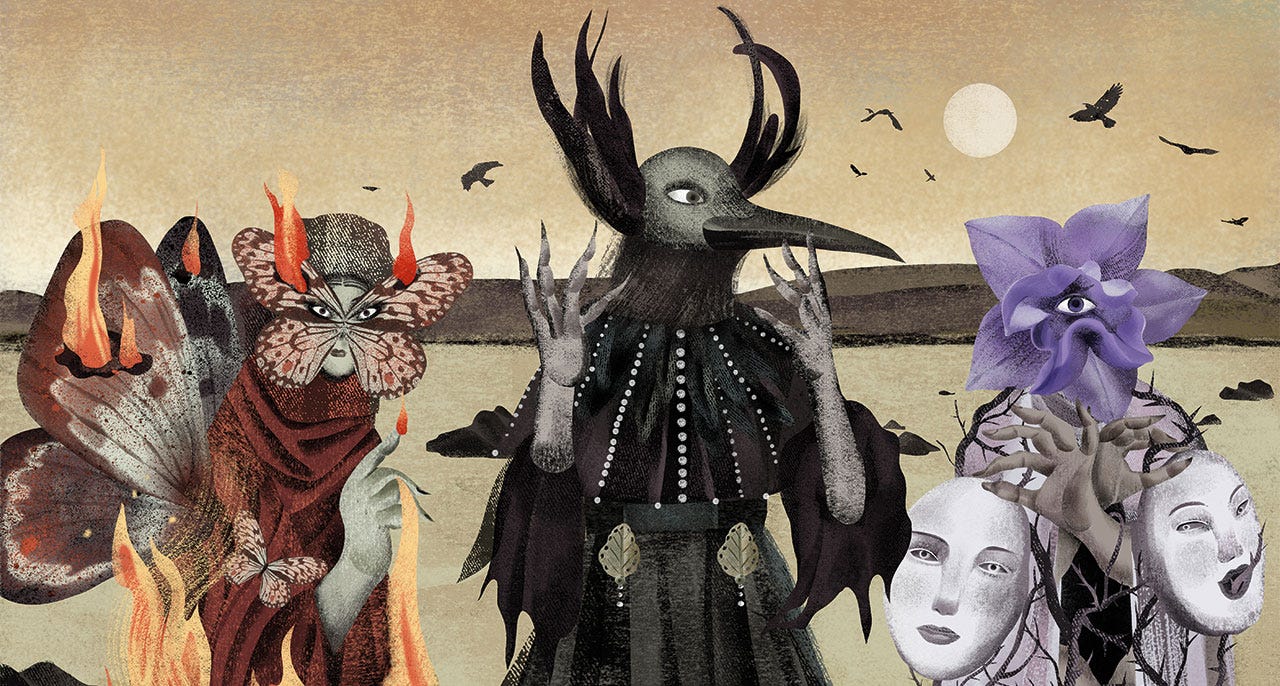
He realised their emotional blockages, not their knowledge, were getting in the way. He called those blockages Beautiful Monsters and developed a method to help his students heal them.
And in his method, Jungian Shadow Work and Tibetan meditation practice landed on the same truths.
We all have parts of ourselves that we’d rather weren’t there.
Tsoknyi Rinpoche saw that those are the parts that make our lives and our relationships more difficult.
He writes, “We often feel ashamed and irritated by our issues. We resist and react to them; sometimes we hate them. Usually, we just wish they would go away.” This is usually where clients start when they come to shadow work therapy; hoping that these parts can be removed, banished, or got rid of.
Banishing unwanted parts of ourselves is how our shadow forms in the first place. When we did this in childhood, it worked because it bought us safety and acceptance; it’s understandable that we’d want to do it again.
While hiding parts of ourselves in childhood gave us the safety and connection we needed for survival, the cost was our wholeness.
Knowing is not healing.
Tsoknyi Rinpoche realised that transformation happens mostly on the feeling level. This is why self-help books are not self-healing books.
All of his students were smart, capable and dedicated. They were “getting it” intellectually, but he observed that they remained stuck in the same emotional and energetic habit patterns year after year. And that this “stuckness” was preventing them from making progress in their meditation practice.
We have all experienced emotional hurts in our lives. The route to healing our wounded parts is not via the head. If it were, we could think ourselves to wholeness.
Knowing where our wounds come from and how they impact our lives is not the same as healing those wounded parts.
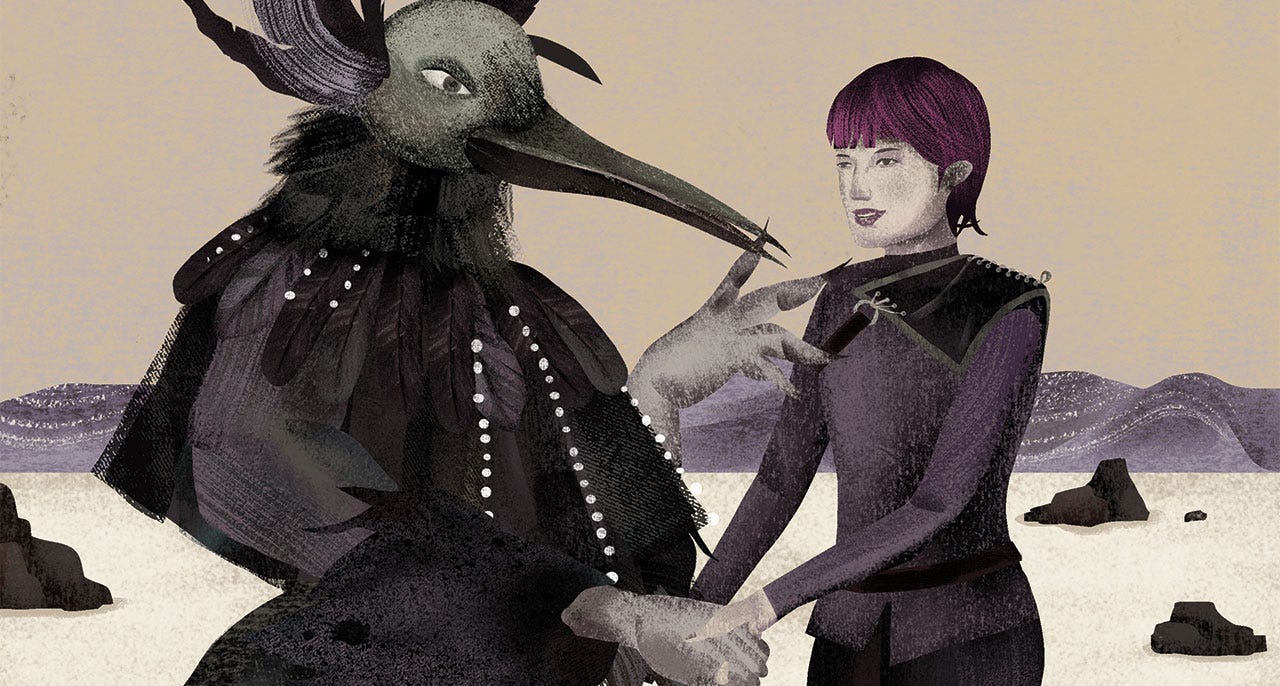
Our shadow parts are our beautiful monsters.
Jung did us somewhat of a disservice by calling our hidden, repressed parts “the shadow”. It carries an implication of darkness that can be off-putting. It just means hidden.
Rinpoche explains, “If we think of them as just monsters, we solidify our aversion and hatred toward them, which are really just parts of our own mind. If we think of them as just beautiful, however, we deny their destructive potential and the suffering they can cause. It’s important to understand that they are both monsters, and they have beauty.”
Our shadow parts carry our darkness, and our light, and often the latter is more challenging to befriend. And even within our darkest, gnarliest parts, there is always some life force hidden away too, lost when we cut ourselves off from that part.
Recognising the beauty and promise in all our parts opens us up to coming home to ourselves, no matter how difficult, no matter how shameful.
Non-judgemental acceptance of all our parts is the route to healing.
Rinpoche puts it beautifully:
“Beautiful monsters are like ice. Their nature is like water. We don’t have to destroy the ice but melt it, free it into its natural state of flow. Beautiful monsters are like that. They are “frozen” patterns of reacting and resisting. So the question becomes: how to melt the ice? The warmth of our kindness toward our beautiful monsters, in the form of nonjudging—this allows the ice to start melting.”
When we come to Shadow Work, we have been pushing away or holding down our feelings and emotions for a long time. Gently, and when we’re ready, we can learn to extend an open hand to those parts of ourselves we’ve banished.
As Rinpoche puts it, “Not running away, not fighting, just meeting…Facing them means feeling them.”
If we make friends with our monsters,” he writes, “magic happens. We are no longer afraid.